Build & Learn: Firestopping Coordination at The Asters
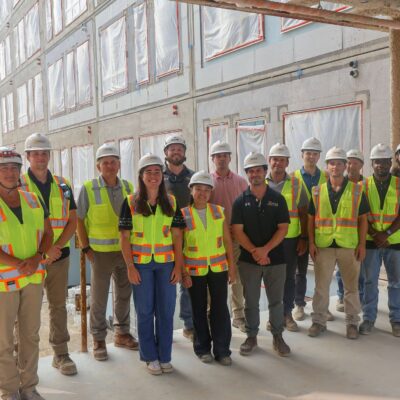
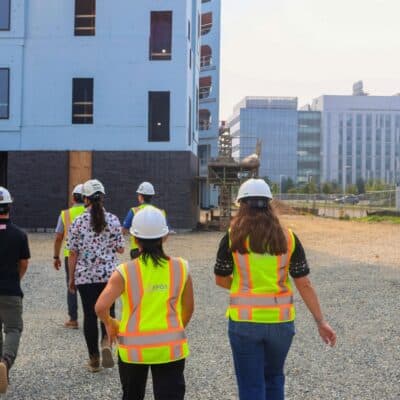
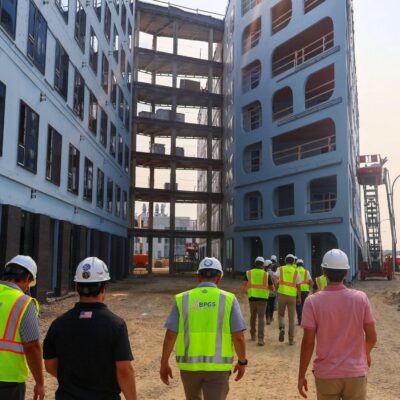
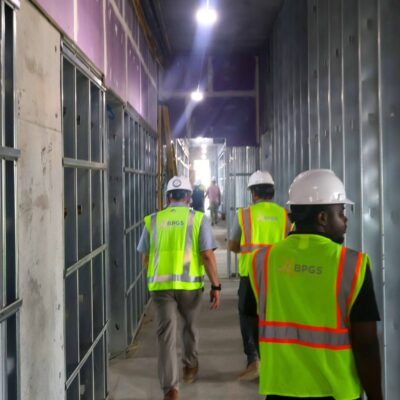
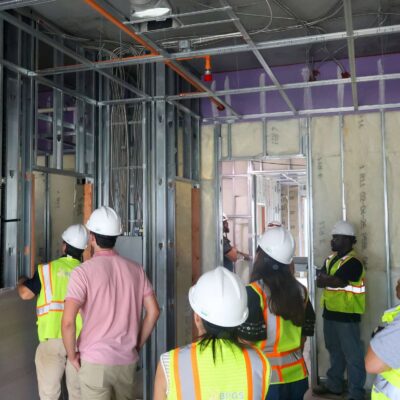
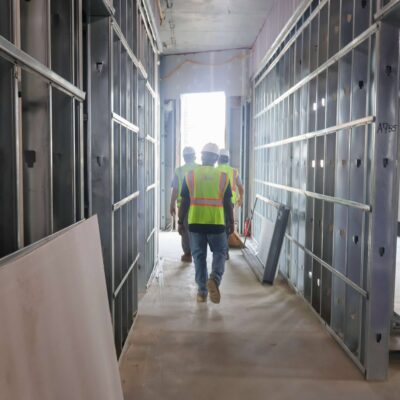
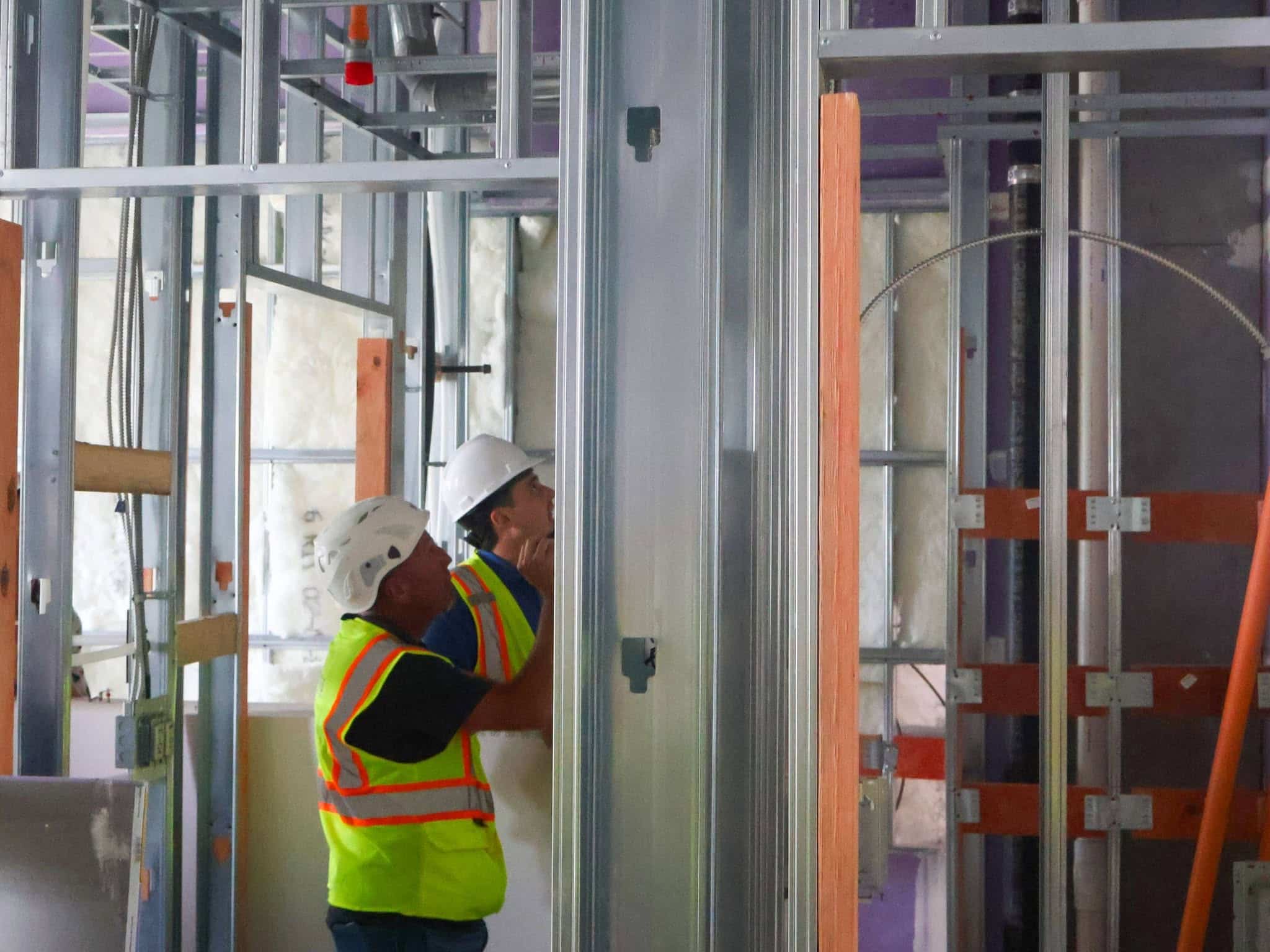
August 4, 2026 7:27 pmAt BPGS Construction, Build & Learn sessions focus on technical problem-solving and knowledge sharing across project teams. The team recently visited the UD STAR Residential Project, The Asters, for a Build & Learn session lead by Project Engineer II, Alex Hantman and Project Engineer I, Samantha Gerhart. This month’s session focused on firestopping systems, UL-rated assemblies, and the field coordination required to maintain fire-rated construction.
Firestopping is a critical component of multifamily construction, requiring coordination between design teams, trade partners, and field personnel to ensure penetrations through rated assemblies are properly addressed. At UD STAR Residential, the team reviewed firestop devices, piping conditions, and field solutions implemented to maintain compliance while supporting construction sequencing.
Selecting the Appropriate Firestop System
One of the primary topics discussed during the session was the use of Hilti cast-in firestopping sleeves within concrete assemblies. These systems are installed before concrete placement and include an integrated intumescent material designed to expand when exposed to elevated temperatures.
As combustible piping is affected by fire conditions, the material expands to seal the opening and maintain the fire-resistance rating of the assembly. Because cast-in sleeves must be coordinated before concrete is poured, accurate planning between trades is essential to avoid field modifications after slab placement.
The team also reviewed firestop collars and their application for combustible piping three inches or larger. These systems are installed around the pipe and rely on intumescent material to expand as the pipe softens during a fire event. Firestop collars may be required when cast-in devices were not installed or when required by the applicable UL-rated system.
Evaluating Pipe Penetration Conditions
Different piping materials require different firestop solutions. During the session, the project team reviewed the requirements for both cast iron and PVC penetrations.
For cast iron piping, the approved UL system requires fire caulk at the top of the penetration, with mineral wool used where needed. PVC penetrations require a different approach, utilizing fire caulk at the top and a firestop collar at the underside of the assembly.
Understanding the differences between these conditions allows the team to select the appropriate system based on the tested assembly rather than applying a standard solution across all penetrations.
Field-Level Adaptation
As with many complex construction projects, field conditions require coordination between design intent, installation requirements, and approved firestop systems.
One condition reviewed during the Build & Learn involved shower drains where the plumbing contractor utilized larger sleeves than the pipe diameter to provide additional working space during installation. For these locations, the annular space was packed with mineral wool, and a firestop collar was not required because the pipe diameter was less than three inches.
The team also reviewed diverter locations along rated walls. Since the diverters were not fire-rated, the project team installed additional blocking and fire caulking to satisfy inspection requirements. A fire-rated protective box was also discussed as an alternative solution for similar conditions.
These examples reinforced the importance of reviewing each penetration individually and confirming that field conditions align with the requirements of the tested assembly.
Maintaining Fire-Rated Assemblies Through Coordination
Installing firestopping correctly requires selecting an approved UL-listed firestop system, coordinating trades early, and verifying that field conditions match the approved firestop assembly.
By following these steps, project teams can avoid costly slab rework due to coring, minimize inspection issues, keep the project on schedule, and ensure code compliance.
During construction of The Asters, the project team identified potential penetration conflicts during initial field reviews, avoiding costly retrofits in high-density rated walls. Matching field conditions to approved assemblies early helped keep the schedule moving while remaining fully code-compliant.
At BPGS, sharing and learning lessons from the field in team Build & Learn sessions ensures future multifamily projects start with the same sharp attention to detail.
If you’re passionate about collaboration, technical growth, and building with purpose, explore opportunities to grow with BPGS Construction.